
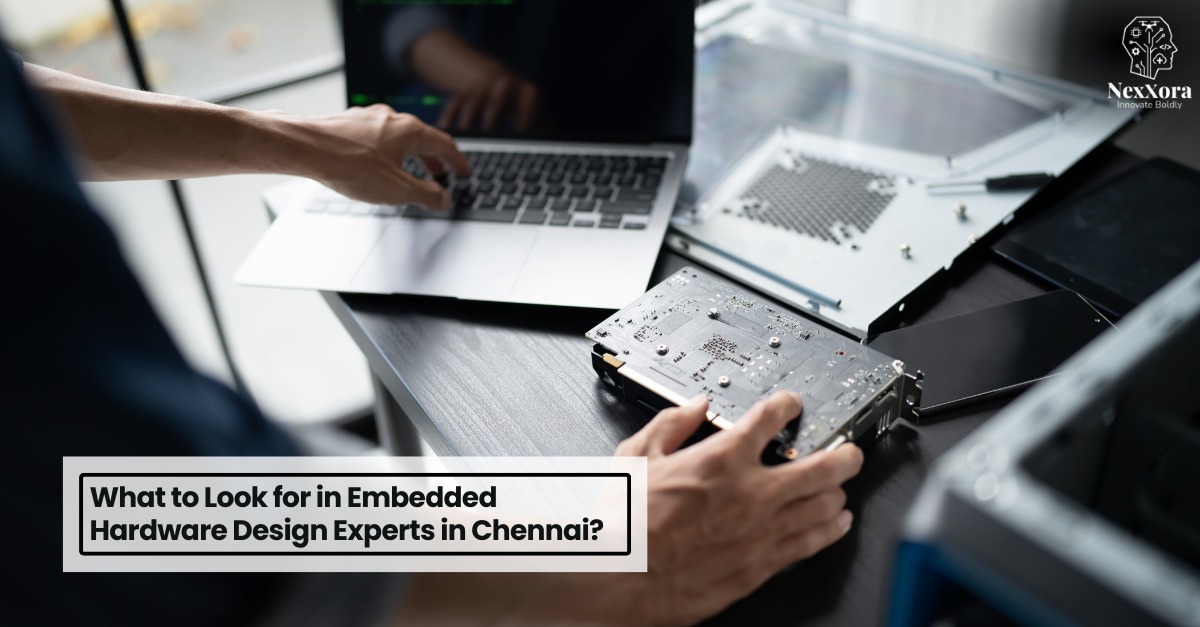
The industry of embedded hardware design has come up as the backbone of innovation in the technological world, driving the development of IoT devices and automation systems. In Chennai, which is a major hub for technological innovation and has a strong engineering base, selecting the right hardware design engineer in Chennai is critical for companies that aim to develop scalable solutions. As such, to select the right partner, there is a need to understand the skills and capabilities that separate the best from the average.
- Fundamentals of Embedded Hardware Design and Its Industry Importance
- Step-by-Step Embedded Hardware Design Process Followed by Experts
- Ensuring Reliability, Performance, and Efficiency in Embedded Hardware Design
- Embedded Software–Hardware Integration: What Skilled Engineers Deliver
- Evaluating Real-World Embedded Hardware Design Experience and Case Studies
- From Embedded System Design to Industrial Automation: End-to-End Capabilities
- Key Questions to Ask Before Hiring Embedded Hardware Design Experts in Chennai
- FAQ on Choosing the Right Embedded Hardware Design Partner
- Conclusion
Fundamentals of Embedded Hardware Design and Its Industry Importance
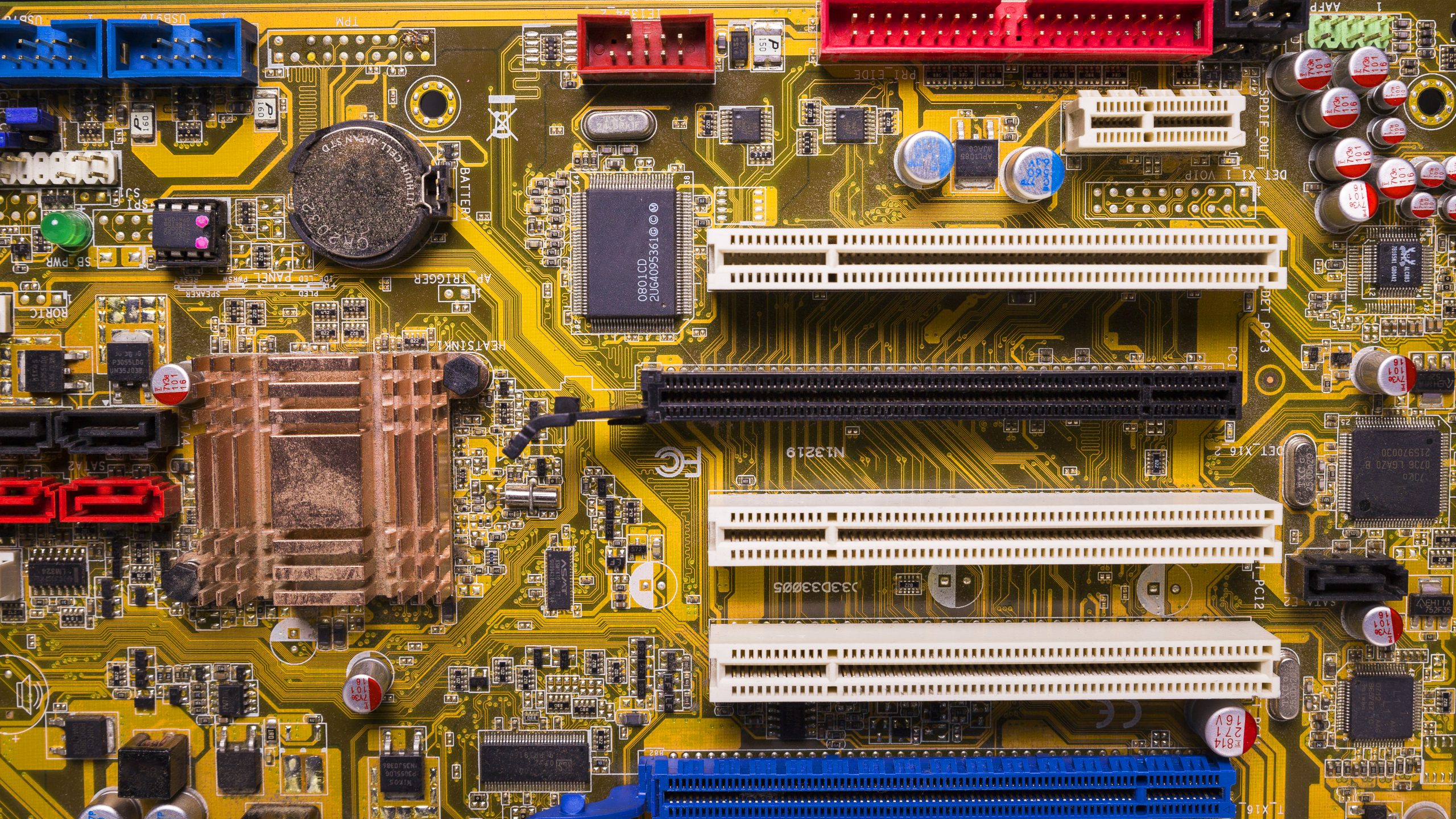
Embedded hardware design involves the architectural design, circuit design, PCB design, and component selection necessary for the development of intelligent systems that can function with low processing overhead and optimal efficiency. The field of embedded hardware design combines microcontroller programming, signal processing, power management, and thermal analysis into a comprehensive solution.
The importance of embedded hardware design can be attributed to its use in various industries. Advanced healthcare devices, automotive control systems, renewable energy management systems, and manufacturing IoT sensors require efficient embedded systems. The rising prominence of Chennai makes it a favorable destination for companies looking for specialized knowledge. The sector requires engineers well-versed in VLSI design concepts, embedded processor design, real-time operating systems (RTOS), and firmware and hardware co-optimization strategies.
Step-by-Step Embedded Hardware Design Process Followed by Experts
Professional embedded hardware designers use a systematic approach to guarantee the success of their projects. The first stage is requirements analysis and hardware architecture design, where experts assess processing requirements, memory bandwidth, and peripheral integration.
The second stage is schematic design and component selection, where CAD tools such as Altium Designer or KiCAD are used to design schematics and select components based on performance criteria, cost optimization, and reliability of supply. PCB design and signal integrity analysis are the next stages, where experts use trace routing techniques to reduce electromagnetic interference (EMI) and crosstalk.
The final stages of testing and validation include hardware-in-loop (HIL) testing, thermal stress analysis, and environmental testing. Professional designers usually use design automation tools and simulation software to analyze possible failure points before production.
Ensuring Reliability, Performance, and Efficiency in Embedded Hardware Design
Reliability engineering is still a key consideration in embedded hardware development. Professionals in the field apply redundancy techniques, watchdog timer design, and error correction code development to make systems fault-tolerant. They also apply Environmental Stress Screening (ESS) and life testing to estimate Mean Time Between Failures (MTBF).
Performance enhancement includes cycle time improvement, memory usage optimization, and power management, which is essential in battery-driven and power-limited systems. Professionals apply dynamic voltage and frequency scaling (DVFS), power gating, and peripheral multiplexing to improve system efficiency.
Designers from the industry also focus on thermal design by selecting components and using heat sinks and passive cooling systems to ensure the system stays within a safe operating temperature range despite environmental changes.
Embedded Software–Hardware Integration: What Skilled Engineers Deliver
The integration of embedded software with hardware architecture is an important skill. Experienced engineers provide solutions where firmware optimization is compatible with hardware architecture. They are aware of interrupt handling, memory management, and peripheral drivers at the register level.
Expert engineers implement debugging tools such as JTAG interfaces, SWD interfaces, and logic analyzer interfaces. They also provide documentation such as hardware datasheets, firmware source code with inline comments, and integration instructions that make it easy to integrate.
Evaluating Real-World Embedded Hardware Design Experience and Case Studies
Evaluating embedded hardware design specialists in Chennai, check their portfolio for case studies that are relevant to the industry. Check if they have experience in implementing their designs successfully in various sectors such as healthcare IoT, industrial automation, automotive electronics, consumer electronics, and telecommunication.
Ask for case studies that show their problem-solving methodologies. Check their experience in working with particular microcontrollers (ARM Cortex-M, ARM Cortex-A, RISC-V), wireless technologies (Bluetooth Low Energy, Zigbee, LoRaWAN, 5G), and industry standards (ISO 26262 for automotive, IEC 60601 for medical devices).
Having certifications in FPGA design, embedded Linux development, and expert analog circuit design is an added advantage.
From Embedded System Design to Industrial Automation: End-to-End Capabilities
Full-service embedded hardware design companies provide turnkey services from concept development to production and after-market services. They handle prototype development, design refinement for mass production, supply chain management, and after-market services.
Industrial automation know-how directly illustrates experience in real-time control systems, industrial communication protocols (Modbus, CANbus, OPC-UA), and safety standards for machinery. Skilled teams provide scalable solutions that can be integrated with the existing manufacturing infrastructure without compromising system availability.
Key Questions to Ask Before Hiring Embedded Hardware Design Experts in Chennai
- What are the embedded hardware design tools and CAD systems you are proficient in, and how up-to-date are your skills?
- Can you give us examples of case studies that show how you have implemented embedded hardware design in our sector?
- What experience do you have with the wireless protocols, microcontrollers, and RTOS systems we need?
- How do you address electromagnetic compatibility and regulatory issues in your embedded hardware design?
- What kind of post-implementation support and firmware updates do you provide?
- How do you address cost optimization without impacting the quality of embedded hardware design?
- What kind of design documentation and knowledge transfer do you offer?
FAQ on Choosing the Right Embedded Hardware Design Partner
1.What should embedded hardware design cost?
Pricing depends on complexity, timeline, and component selection. Transparent cost breakdowns with milestone-based payments ensure accountability.
- How long does embedded hardware design typically take?
Projects range from 4-12 weeks for simple designs to 6+ months for complex systems requiring extensive certification.
3.Do you provide embedded hardware design consulting only?
Leading firms offer comprehensive services including design, prototyping, testing, and manufacturing support.
- What certifications matter in embedded hardware design?
ISO 9001 for quality management, IPC-A-610 for PCB assembly, and industry-specific certifications demonstrate expertise.
Conclusion
Choosing embedded hardware design experts in Chennai involves carefully assessing technical expertise, industry experience, design methodologies, and communication capabilities. Businesses should prioritize partners with deep knowledge of embedded hardware design, a proven ability to deliver successful projects, and a strong commitment to quality and innovation. By collaborating with a trusted technology partner such as Nexxora, organizations can confidently transform their ideas into efficient, reliable, and future-ready embedded systems that support long-term growth and technological advancement.







No comment