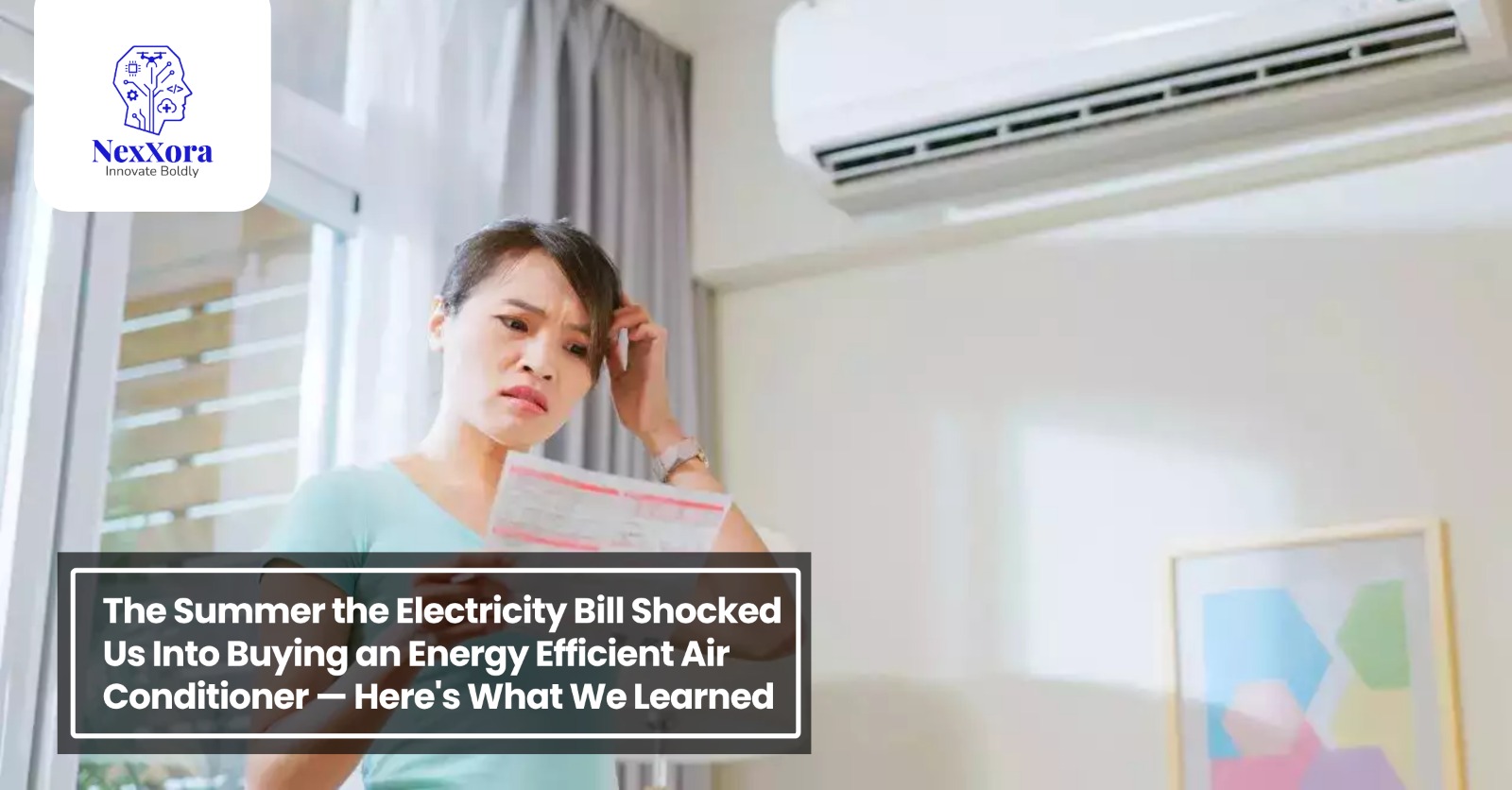
As temperatures continue to rise across India and globally, reliance on air conditioning systems has increased significantly. While air conditioning ensures that we stay cool and comfortable, it comes at a price—the electric bills become exceedingly high. After just one summer of excessively high power bills, most people and firms are forced to change their cooling habits.
Well, this happened to us.
We got a surprise shock in terms of our electricity bills one summer, after which we discovered that our previous air conditioner had been eating up way too much power. After initially getting frustrated with ourselves, we decided to find out more about smart cooling techniques and the advantages of an energy-efficient air conditioner.
In this blog, we share the lessons we learned, the mistakes many people still make when choosing AC systems, and how modern technology-driven cooling solutions can dramatically reduce energy consumption while improving comfort.
- Reasons For Increasing Electricity Bills During Summers
- What is an Energy-Efficient Air Conditioner?
- The Electric Bill Which Shook Our World
- The Research Stage: What We Learned Before Buying It
- Immediate Benefits Observed Since Installation
- The Benefits That Come With Using Energy-Efficient Air Conditioners in Businesses
- The Importance of Smart Technology in Efficient Energy Usage
- Mistakes People Make While Buying an Air Conditioner
- How to Enhance AC Efficiency
- Reasons Why Energy Efficiency Has Become Important
- Future of Air Conditioning Technology
- How Nexxora Facilitates the Development of Intelligent and Sustainable Technology Solutions
- Final Remarks
- FAQs
Reasons For Increasing Electricity Bills During Summers
Electricity bills have increasingly posed a challenge to homeowners and business owners alike due to the following reasons:
- Higher outdoor temperatures
- Higher running time of air conditioners
- Old air conditioners
- Poor insulation
- Higher electricity tariff rates
- Increasing dependency on electrical gadgets
Conventionally built air conditioners require much electricity for their operation, particularly old ACs that do not possess inverters. Using these systems for prolonged hours in severe weather conditions results in high electricity consumption.
This is where energy-efficient air conditioning comes into the picture.
What is an Energy-Efficient Air Conditioner?
Energy-efficient air conditioners are developed to offer maximum cooling with the consumption of minimal amounts of electricity when compared to traditional systems. Some of the key features of energy-efficient AC include:
- Inverter compressors
- Temperature sensors
- Eco cooling mode
- Energy-saving compressors
- Variable speed motors
- Automated systems
The core principle of energy-efficient AC systems is straightforward: achieving maximum cooling with minimum energy use.
Current technology enables energy-efficient ACs to cut costs as well as minimize their environmental impact through reduced carbon emissions.
The Electric Bill Which Shook Our World
Our monthly electricity bill almost doubled last summer. Initially, we were under the impression that it was because of the higher electricity usage owing to the rise in temperature. But, upon analysis of our electricity usage, we came across some interesting results.
Our older air conditioner was the main reason for our huge electric bill.
Old air conditioner:
- Took time to cool the rooms
- Consumed too much electricity
- Provided inconsistent cooling
- Needed maintenance often
- Worked continuously without any electricity control
We found out through our research that our old AC system was costing us money every day.
This made us realize the need to switch to an energy-efficient air conditioner.
The Research Stage: What We Learned Before Buying It
Before buying an air conditioner, we did extensive research on cooling technology, ratings, and intelligent features. Below are some of the main things that we learned through our research before buying the AC.
- BEE Star Rating Has More Value Than You Can Think Of
Many people tend to overlook the importance of BEE star ratings while buying air conditioners. However, star ratings are very important when it comes to electricity consumption.
A 5-star-rated AC generally consumes significantly less electricity than a 2-star or 3-star model.
Although higher-rated systems may cost more initially, they provide major savings over time.
- Inverter Technology Is Definitely Worth It
Regular AC units keep switching the compressor on and off, thus consuming more energy.
The inverter AC system adjusts the speed of the compressor according to the room’s temperature requirements. As a result, it provides:
- Energy savings
- Quick cooling
- Less noise
- Increased longevity
Our decision to go for an inverter technology air conditioner was one of the wisest we have made.
- The Proper AC Size Matters
Most individuals purchase either larger or smaller AC units than required without considering the needs of the room.
A large AC unit:
- Works faster
- Consume more electricity
- Creates a humidity imbalance
A small AC unit:
- Works continuously
- Increases energy bills
- Lacks efficiency
It is always wise to choose the appropriate tonnage according to room size.
- Smart Technology Helps You Save Even More
With the advancement in technology, modern air conditioners now feature several advanced smart technologies, including:
- Wi-Fi connection
- Artificial intelligence cooling systems
- Smart scheduling
- Occupancy sensors
- Sleep modes
These features help reduce unnecessary power usage and improve user convenience.
Immediate Benefits Observed Since Installation
Since our installation of an energy-efficient air conditioner, we have noticed immediate changes.
Decreased Energy Consumption
First, energy savings were realized since the device consumed less power, yet the bill decreased.
Quick Cooling Time
The time to cool rooms has been reduced by a significant margin compared to our previous AC system.
Enhanced Indoor Climate
Temperature variations were minimized, as there are no hot or cold spots in any room.
Less Noise
Modern devices produce little noise since most use inverters.
Indoor Air Quality Improvement
Many of these systems come with:
- Air-purifying features
- Dust filtering
- Bacteria elimination mechanisms
- Humidity regulation
This helped create a healthier indoor atmosphere.
The Benefits That Come With Using Energy-Efficient Air Conditioners in Businesses
Cooling costs can be significantly high for any business organization. The business environment uses HVAC systems.
The following benefits are gained by a business using an energy-efficient air conditioner:
Operational Savings
Less electricity use means that a company saves more.
Increased Efficiency
Employee productivity and efficiency increase because they work in comfortable conditions.
ESG-Friendly Approach
Such an approach helps a business achieve sustainable practices.
Reduced Maintenance
Energy-efficient systems ensure low costs in terms of maintenance.
Automation Capabilities
Businesses will enjoy the integration of cooling systems with:
- IoT
- Building management systems
- Energy monitoring systems based on AI
- Smart sensors
This is where technology-driven companies like Nexxora help businesses optimize energy performance through intelligent digital solutions.
The Importance of Smart Technology in Efficient Energy Usage
Current cooling equipment goes beyond mere devices and becomes sophisticated smart devices driven by data and automation.
Examples of such technology are:
- AI-Powered Temperature Adjustment
- AI allows learning user behavior and adjusting cooling patterns accordingly.
- IoT Capabilities
These include monitoring of:
- Power consumption
- AC functioning
- Room occupancy status
- Maintenance needs
- Predictive Maintenance Solutions
With sophisticated software, it is possible to notice problems before serious failures occur.
Remote Control of Air Conditioners
One is able to manage their system through smartphones and web-based services.
Mistakes People Make While Buying an Air Conditioner
We have learned from our experience that people frequently make certain mistakes while buying an air conditioner.
Buying by Price Only
An expensive device will pay off in lower electric bills in the long term.
Failure to Consider Energy Classifications
These classifications have a direct effect on costs.
Disregarding Space Adaptation Criteria
Improper matching causes lower effectiveness of the system.
Improper Installation
It impacts AC performance negatively.
Maintenance Neglect
Dirty filters and neglected servicing increase power consumption.
How to Enhance AC Efficiency
Despite having energy-efficient air conditioners, users need to employ certain strategies.
Set the Correct Temperature
Operating the AC at temperatures ranging from 24°C to 26°C helps in enhancing efficiency.
Keep filters clean.
Unclean filters make the AC work hard to cool the house.
Install Curtains and Insulation
Minimizing external heat ensures that cooling efficiency increases.
Avoid Running the Unit Continuously
It is advisable to employ timers.
Ensure Periodic Maintenance
Maintaining air conditioners helps in increasing their efficiency.
Reasons Why Energy Efficiency Has Become Important
As a result of climate change, global temperatures have increased, making energy-efficient cooling important.
Energy-efficient cooling brings many benefits, including:
- Low carbon footprints
- Reduction of power consumption
- Grid stability
- Economical living
- Sustainable living
Governments and industries worldwide are encouraging the adoption of energy-efficient appliances to reduce environmental impact.
Future of Air Conditioning Technology
Air conditioning technology is undergoing rapid advancements in the future.
Advancements include:
Solar-Powered Air Conditioners
Minimizing reliance on traditional power sources.
AI-Controlled Air Conditioners
Automatically adjusting energy consumption and comfort settings.
Smart Grids
Integrating with smart energy grid technology.
Environmentally Friendly Coolants
Using coolants that produce lower greenhouse gas emissions.
Smart Home Systems
Creating entire smart homes capable of managing air conditioning, lights, and energy consumption simultaneously.
Technology companies and experts in digital transformation are at the forefront of these advancements.
How Nexxora Facilitates the Development of Intelligent and Sustainable Technology Solutions
With the increasing adoption of smart technology by companies and consumers, it becomes essential for firms to innovate in digital technology for energy efficiency and sustainability.
Nexxora Inc. develops innovative technology solutions to help businesses become more efficient, automate their processes, and implement digital transformation.
On the other hand, Nexxora Technology offers business enterprises innovative IT services and future-proof technology integration.
From IoT integration to smart automation strategies, technology-driven approaches are helping businesses make more sustainable and cost-effective energy decisions.
Final Remarks
What started as a shocking electricity bill turned into a valuable lesson in energy efficiency, innovative technology, and sustainable lifestyle choices.
The use of an energy-efficient air conditioning system is more than simply saving money every month; it is about improving the quality of life, utilizing technology more effectively, and investing in future efficiency.
The advantages for homeowners are quite obvious:
- Lower bills
- Higher comfort level
- Less maintenance required
- Healthier indoor air
However, the results for commercial enterprises will be even more dramatic:
- Reduced operating costs
- Greater workplace efficiency
- Sustainable business practices
- More efficient infrastructure management
With the rising temperatures, energy efficiency becomes a necessary step.
FAQs
1. What is an energy-efficient air conditioner?
An energy-efficient air conditioner is a cooling system designed to provide effective temperature control while consuming less electricity through advanced technologies like inverter compressors and smart sensors.
2. Do energy-efficient air conditioners really save money?
Yes. Although they may cost more initially, they significantly reduce electricity bills over time through lower power consumption.
3. Which AC star rating is best?
A 5-star rated AC is generally considered the most energy-efficient and cost-effective in the long run.
4. Is an inverter AC better than a non-inverter AC?
Yes. Inverter ACs adjust compressor speed based on cooling demand, resulting in better efficiency, quieter operation, and lower electricity usage.
5. How long does an energy-efficient air conditioner last?
With proper maintenance, modern energy-efficient AC systems can last between 10 and 15 years or more.
6. What temperature setting saves the most electricity?
Setting the AC between 24°C and 26°C usually provides the best balance between comfort and energy efficiency.
7. Can smart ACs be controlled remotely?
Yes. Many modern smart air conditioners support mobile app control, Wi-Fi connectivity, and voice assistant integration.
8. Why is regular AC maintenance important?
Regular servicing improves cooling efficiency, reduces electricity consumption, and extends the lifespan of the air conditioner.
9. Are energy-efficient air conditioners eco-friendly?
Yes. They consume less electricity and often use environmentally safer refrigerants, reducing overall carbon emissions.
10. How can businesses improve cooling efficiency?
Businesses can improve efficiency by using smart HVAC systems, IoT monitoring, automated climate controls, and energy-efficient infrastructure solutions.

No comment