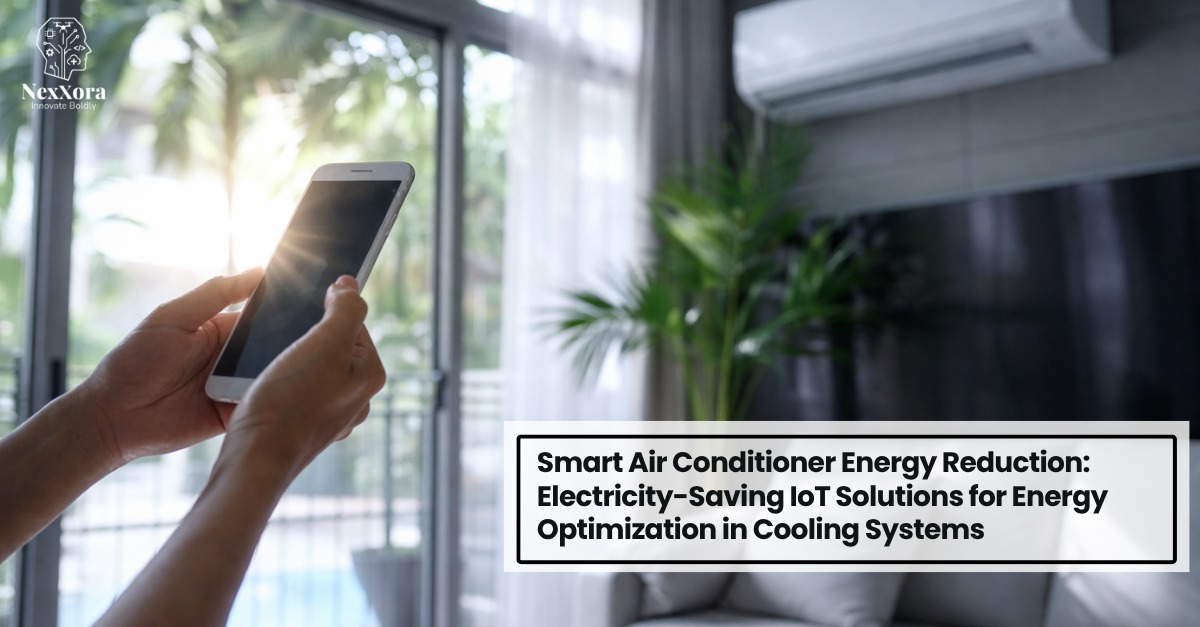
Energy consumption from air conditioning systems is rising globally due to rapid urbanization, climate change, and increased demand for thermal comfort. According to the International Energy Agency (IEA), cooling accounts for nearly 10% of global electricity demand, and this figure is expected to grow significantly by 2050. This makes energy saving AC service not just an operational improvement—but a strategic necessity for residential, commercial, and industrial facilities.
With advancements in IoT (Internet of Things), smart cooling systems now enable real-time monitoring, predictive analytics, and automated optimization. This blog explores how electricity-saving IoT solutions are transforming energy optimization in cooling systems.
- Introduction to Smart Air Conditioner Energy Reduction
- How IoT Enables Electricity-Saving in Air Conditioning Systems
- Key Benefits of Energy Saving AC Service
- Energy Optimization Techniques for Cooling Systems
- Integrating IoT with Existing AC Infrastructure
- Best Practices for Maximizing AC Energy Efficiency
- Choosing the Right Energy Saving AC Service Provider
- Frequently Asked Questions (FAQ)
- Case Study: Commercial Office Energy Optimization
- Conclusion
Introduction to Smart Air Conditioner Energy Reduction
- Ambient temperature
- Humidity levels
- Occupancy
- Power consumption
- Compressor cycles
How IoT Enables Electricity-Saving in Air Conditioning Systems
IoT-based AC systems employ the concept of interrelated devices and edge computing for the optimal cooling process.
Real-Time Monitoring and Smart Sensors
Environmental temperature, humidity, and motion sensors monitor the environmental conditions. The data is then sent to cloud-based dashboards for processing and optimization.
Automated Temperature Control and Adaptive Cooling
AI-powered AC systems regulate the cooling output depending on the occupancy levels and environmental conditions. VRF and inverters also contribute to the cooling process.
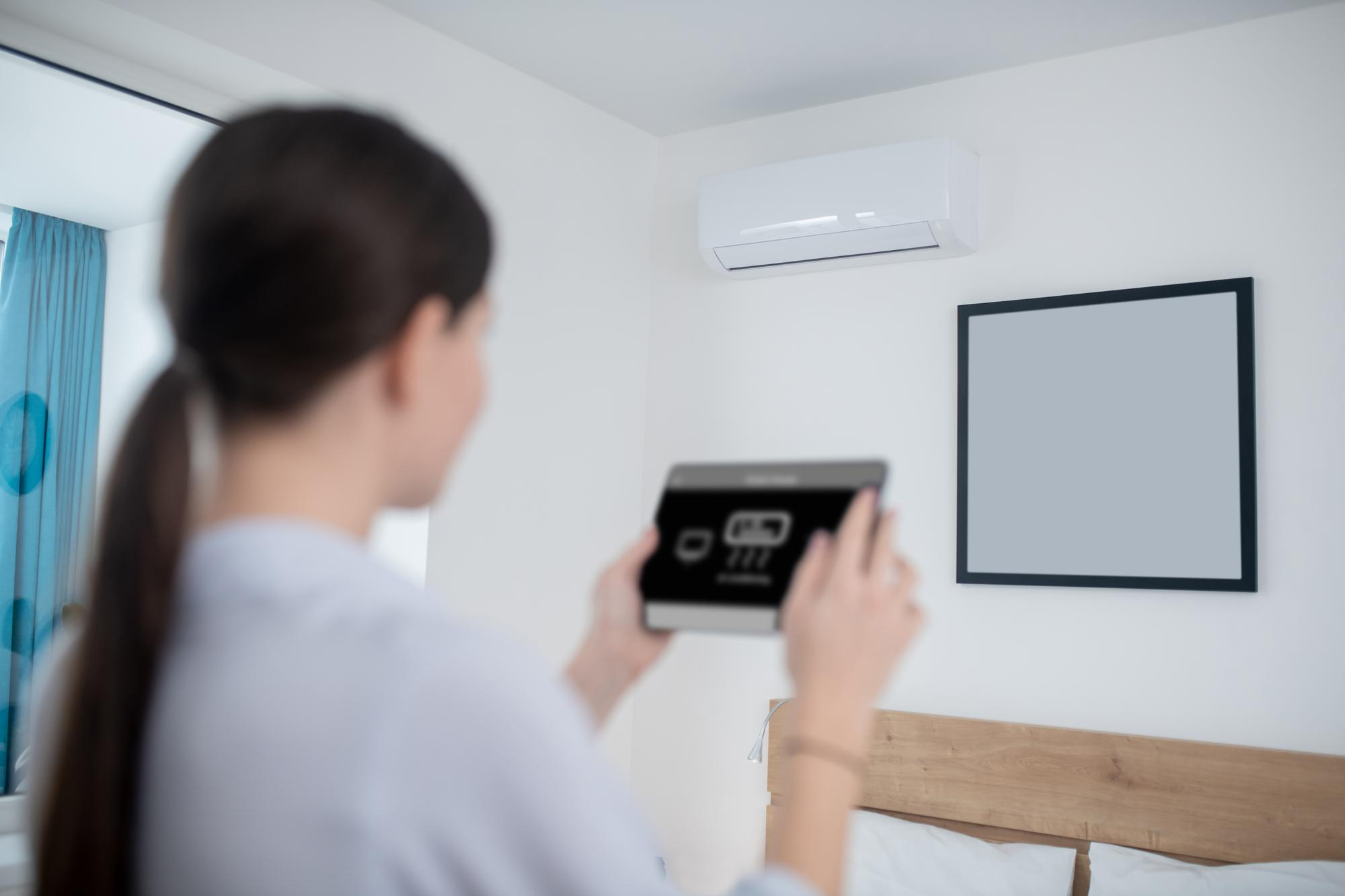
Remote Access and Mobile-Based AC Management
Facility management personnel can monitor the AC systems and performance levels remotely.
Key Benefits of Energy Saving AC Service
The technical and financial benefits that come with implementing energy saving AC service include:
- Saving 20-40% on electricity consumption through load management optimization
- Increased life span of the air conditioner through reduced overcycling
- Predictive maintenance to ensure system failures are avoided
- Increased Coefficient of Performance (COP)
- Avoid peak demand penalties
Energy analytics platforms assist organizations in meeting their Environmental, Social, and Governance (ESG) sustainability objectives.
Energy Optimization Techniques for Cooling Systems
Smart Scheduling and Occupancy-Based Cooling
IoT-based occupancy sensors enable smart scheduling to minimize cooling in unoccupied spaces.
Load Balancing and Peak Demand Control
Smart algorithms enable optimized compressor operation during off-peak hours to avoid peak demand surcharges.
Data-Driven Performance Analytics
Energy efficiency dashboards enable KPIs to optimize efficiency, including:
- Energy Efficiency Ratio (EER)
- Seasonal Energy Efficiency Ratio (SEER)
- Power Usage Effectiveness (PUE)
Integrating IoT with Existing AC Infrastructure
The existing HVAC infrastructure can be retrofitted with IoT gateways and smart controllers. This can be achieved through:
- Smart Thermostats
- Energy Meters
- Wireless Sensor Networks
- Cloud-based Building Management Systems (BMS)
This ensures that the older infrastructure can benefit from the newer and more effective energy saving AC service strategies.
Best Practices for Maximizing AC Energy Efficiency
- Maintain the thermostat between 24-26 degrees Celsius for maximum efficiency
- Carry out regular inspections of the refrigerant level
- Clean the condenser coils and air filters regularly
- Use inverters for compressors for better efficiency
- Calibrate the sensors for proper readings
Preventive maintenance, combined with IoT, increases the reliability and efficiency of the system.
Choosing the Right Energy Saving AC Service Provider
When selecting a provider, the following factors need to be considered:
– Expertise in IoT-based energy management systems
– Experience in commercial and industrial cooling optimization
– Real-time analytics
– Integration of predictive maintenance
– ROI-based implementation models
A technically competent provider will help achieve savings in terms of electrical consumption and cost savings.
Frequently Asked Questions (FAQ)
What is energy saving AC service and how does it work?
Energy saving AC service uses IoT sensors, automated control systems, and data analytics to reduce electricity usage while maintaining optimal indoor climate conditions.
How does IoT reduce electricity consumption in air conditioners?
IoT reduces consumption by optimizing compressor cycles, regulating airflow, adjusting temperature dynamically, and detecting inefficiencies in real time.
Can existing AC systems be upgraded with IoT for energy optimization?
Yes, legacy systems can be retrofitted with smart controllers and energy meters to enable advanced monitoring and automation.
How does Nexxora deliver smart IoT-based energy saving AC service solutions?
Nexxora integrates IoT hardware, smart analytics platforms, and real-time monitoring dashboards to optimize cooling system performance. Their solutions include sensor-based automation, predictive diagnostics, and customized energy management strategies tailored to commercial and industrial facilities.
Why choose Nexxora for IoT-enabled cooling system energy optimization?
Nexxora combines embedded systems expertise with IoT-based automation frameworks, ensuring scalable deployment, measurable energy reduction, and long-term operational efficiency.
Case Study: Commercial Office Energy Optimization
A mid-scale office building for an IT company (50,000 sq. ft.) implemented an IoT-based optimization service for its centralized AC systems. Prior to the optimization, the building experienced high peak demand charges and inconsistent AC performance.
After the optimization, the building achieved:
- Electricity costs reduced by 32% in just 6 months
- Compressor runtime optimization by 28%
- Annual operational savings of over ₹18 lakhs
- 40% reduction in maintenance issues
This case study demonstrates the effectiveness of a structured energy saving AC service in delivering a strong ROI in a real-world scenario.
Conclusion
With the increase in the demand for cooling systems, it is vital for businesses to adopt advanced and state-of-the-art energy saving AC service solutions. This is especially true with the help of IoT solutions, which not only ensure the reduction of power consumption but also ensure the overall performance of the cooling systems. For those looking for the right solution for their business, Nexxora offers IoT-driven smart solutions for cooling systems. Their specialized energy saving AC service solutions help reduce power costs while also increasing the lifespan of the equipment.




No comment