
Multinational companies face increasing demand variability, rising product complexity, and growing expectations for immediate service delivery without compromising product quality. These pressures make it challenging to add volume while controlling quality, costs, and delivery timelines.
Scalable Manufacturing through contract manufacturers goes beyond adding capacity, enabling businesses to manage complexity and expand efficiently with flexibility and control.
Design & Prototyping: From Idea to Reality
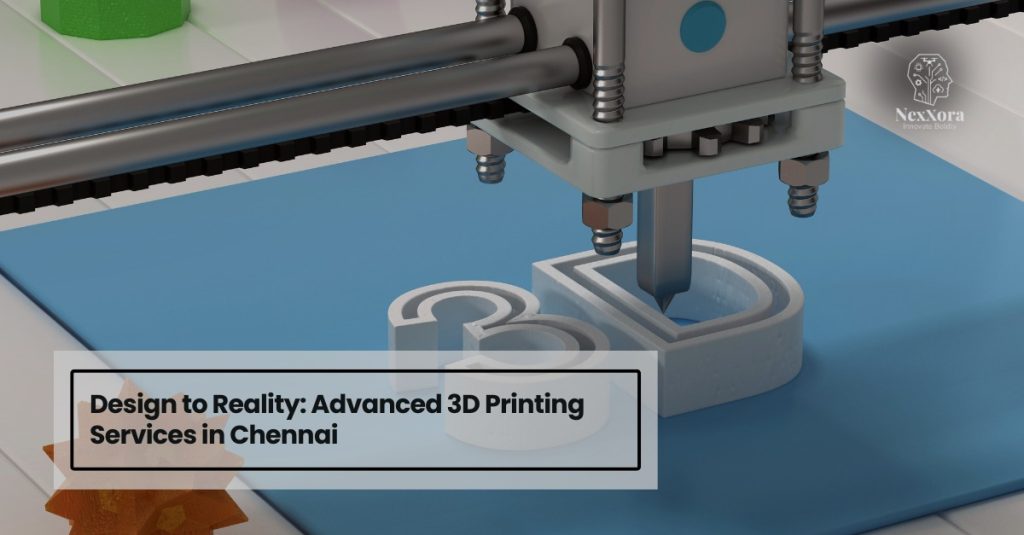
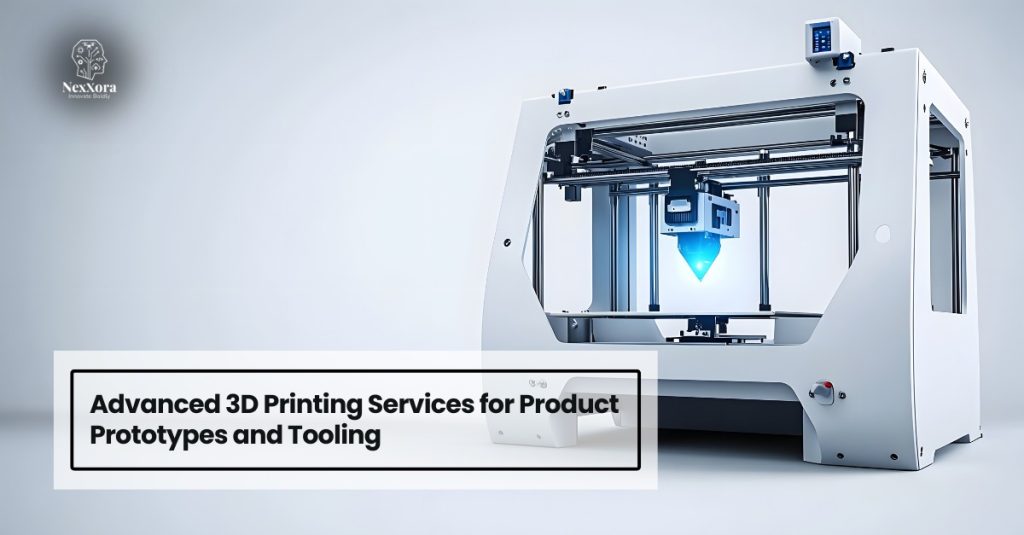
The journey begins with design and prototyping, where concepts are translated into functional, production-ready models. By using advanced CAD tools, rapid prototyping technologies, and strong engineering expertise, manufacturers refine designs to optimize performance, control costs, and ensure manufacturability with a clear focus on high-volume production planning.
This stage plays a crucial role in accelerating time-to-market, minimizing design errors, and enabling a smooth transition from prototype to mass production. By validating ideas at an early stage, businesses gain the confidence needed to scale efficiently and move forward with well-planned, high-volume production decisions.
Manufacturing: Built for Scale and Quality
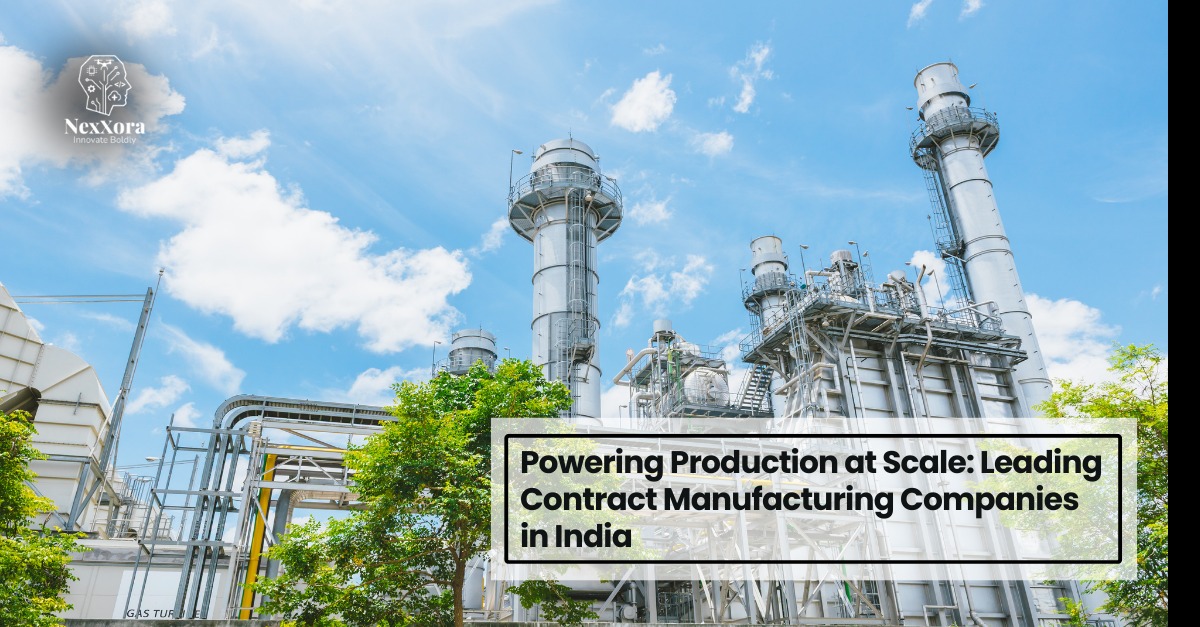
India’s leading contract manufacturers operate state-of-the-art facilities capable of handling projects of all sizes, from low-volume specialized builds to high-volume production runs, supported by well-defined manufacturing scalability strategies.
With automated production lines, precision equipment, and strict quality control systems, they ensure consistent quality and operational efficiency at every stage. These strategies enable high-quality output at competitive costs, support scalable production capacity, and ensure compliance with global manufacturing standards, making India an ideal base for both domestic and international supply chains.
Assembly: Precision at Every Step
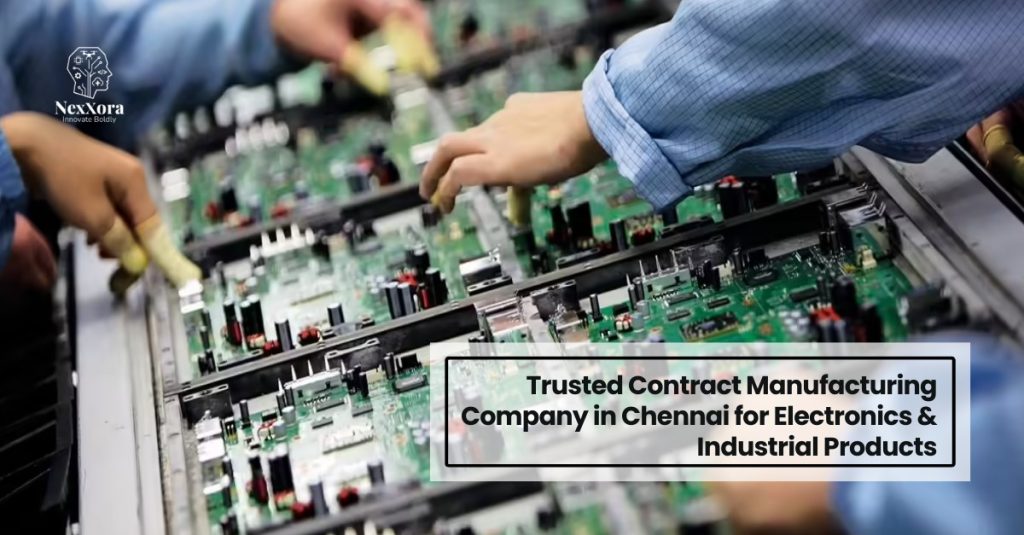
Modern products demand complex and precise assembly processes. Contract manufacturers in India provide end-to-end assembly services that include SMT (Surface Mount Technology), pick-and-place automation, as well as manual and hybrid assembly solutions. Each assembly method is carefully tailored to specific product requirements, ensuring high levels of accuracy, reliability, and repeatability across electronics, industrial systems, and integrated assemblies.



Testing: Ensuring Reliability and Compliance
Before products reach the market, they undergo rigorous testing and validation to ensure quality and reliability. Leading manufacturers carry out functional testing, environmental testing, and thorough safety and compliance checks as part of this process. This comprehensive testing approach ensures products perform consistently under real-world conditions, meet regulatory requirements, and significantly reduce the risk of failures, returns, and compliance-related issues.
Logistics: Seamless Delivery, End to End
Production doesn’t end at the factory floor. Contract manufacturing companies in India provide end-to-end logistics support that includes secure storage and inventory management, domestic and international shipping, and efficient customer service with order fulfilment. With integrated logistics systems in place, businesses benefit from smoother deliveries, reduced lead times, and improved visibility across the entire supply chain.
The Role of Engineering-Led Scalable Manufacturing
Engineers have a significant influence over how large-scale manufacturing occurs in the world. An engineering partner with the right mix of engineering resources and experience is capable of providing the best support in the transition from design to manufacture, as well as minimizing the inherent complexities and enhancing manufacturability prior to commencing production.
Managing Global Supply Networks
As the manufacturing sector grows, the complexity of supply chain efficiency among materials suppliers, logistics providers, and multiple stock and warehousing locations increases significantly. A highly effective supply chain allows manufacturers to achieve and maintain continuity while scaling up volumes and increasing geographic sourcing options.
All of these factors create conditions that allow manufacturers to respond quickly to supply chain disruptions and create stable production schedules for globally dispersed customers.
Sustained growth demands continuous refinement of how work is performed. Production optimization focuses on enhancing throughput, reducing loss, and improving consistency without relying solely on capacity expansion.
Through the application of methods such as data analysis to monitor cycle times, defect trends, and equipment usage, manufacturers can continuously improve production operations by providing measurable improvements through increasing production efficiency and increasing production volume accuracy over time.
Selecting the Right Manufacturing Partner
Choosing a contract manufacturer capable of supporting growth requires more than evaluating current capacity. Organizations must assess how well a partner’s systems, processes, and culture align with long-term expansion goals.
Key considerations include operational maturity, engineering involvement, quality governance, and the ability to adapt production models as requirements evolve. Partners that prioritize structured execution and continuous improvement are better positioned to support sustained scaling efforts.
As an organization, you plan for growth in a complex manufacturing landscape, how you maintain visibility across sites becomes just as important. That’s why NexXora offers solutions like Drone with 4K Camera pricing in India as a relevant consideration within a broader operational strategy.
FAQ
1. What is scalable manufacturing?
Scalable manufacturing allows businesses to increase production efficiently while maintaining quality, cost control, and delivery timelines.
2. Why is scalable manufacturing important?
It helps companies respond to growing demand without major investments, reducing risks and improving operational flexibility.
3. How does contract manufacturing support scalability?
Contract manufacturing provides ready infrastructure, expertise, and supply chain support to scale production faster and more efficiently.
4. Can scalable manufacturing maintain quality at higher volumes?
Yes. Standardized processes, automation, and quality checks ensure consistent product quality as production increases.
5. Who benefits from scalable manufacturing?
Startups, growing businesses, and enterprises benefit by expanding production without managing complex manufacturing operations.




No comment