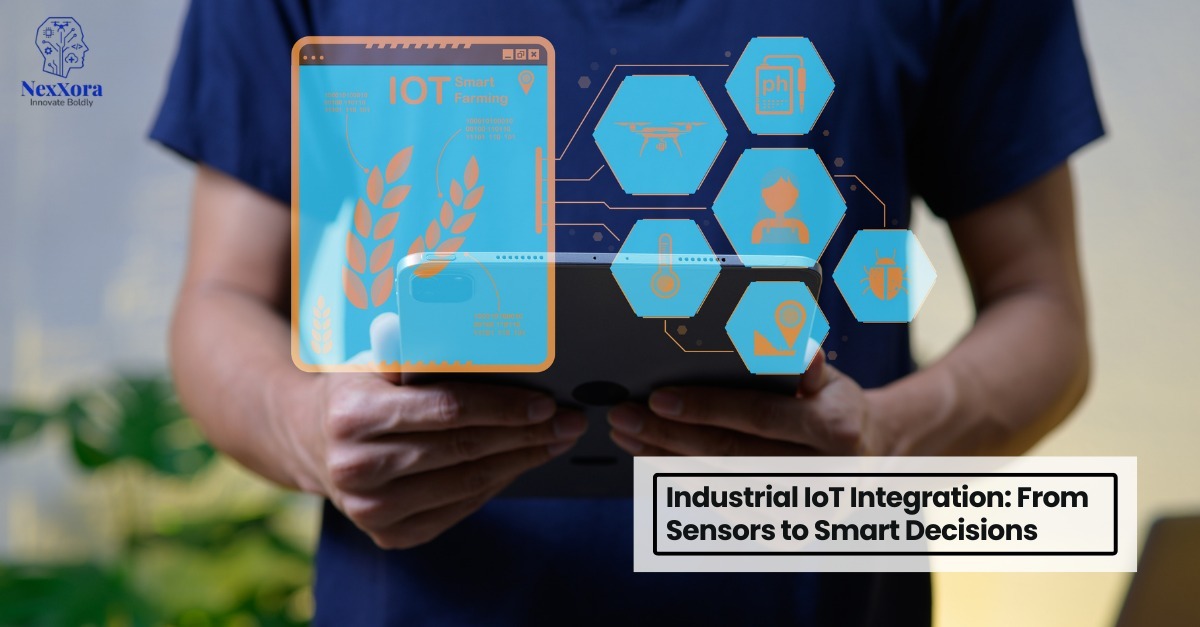
Industrial IoT Integration is no longer a futuristic concept; it has become a practical business strategy that connects machines, sensors, software platforms, and analytics systems into one intelligent ecosystem. For manufacturers, energy providers, logistics operators, and infrastructure companies, integration transforms disconnected data points into measurable business outcomes. As industries move toward automation, predictive maintenance, and data-driven operations, Industrial IoT Integration plays a central role in enabling smarter and faster decisions. Organizations are increasingly investing in professional IoT integration services to ensure secure connectivity, seamless interoperability, and scalable system architecture. This blog explains how integration works, why it matters, and how businesses can implement it effectively to drive long-term operational excellence.
- Understanding Industrial IoT Integration
- Core Components of Industrial IoT Integration
- The Architecture Behind Industrial IoT Integration
- From Sensor Data to Smart Business Decisions
- Industrial IoT Integration Use Cases Across Industries
- Challenges in Implementing Industrial IoT Integration
- Best Practices for Successful Industrial IoT Integration
- Future Trends in Industrial IoT Integration
- FAQ
- Conclusion
Understanding Industrial IoT Integration
Industrial IoT Integration
Industrial IoT Integration is the act of integrating industrial equipment, sensors, controllers, cloud infrastructure, and enterprise systems. This ensures a smooth flow of data from physical systems to decision-making systems.
Unlike simple IoT implementations that revolve around data gathering, Industrial IoT Integration is all about interoperability. It connects operational technology systems such as PLCs and SCADA systems with IT systems such as ERP, MES, and cloud analytics platforms.
Recent studies in the industry indicate that the adoption of industrial IoT is accelerating across the globe due to Industry 4.0 projects. Manufacturing firms are heavily investing in connected systems to enhance efficiency, minimize downtime, and optimize production visibility.
Integration is more than just connectivity. It is about:
- Real-time monitoring
- Predictive analytics
- Automated business processes
- Remote asset management
If IoT devices are not properly integrated, they become isolated, and this hinders business value.
Core Components of Industrial IoT Integration
To understand how Industrial IoT Integration works, it is important to examine its core components.
Sensors and Devices
Industrial sensors provide information regarding temperature, vibration, pressure, humidity, and energy usage. These devices are the backbone of the ecosystem.
Edge Devices and Gateways
Edge gateways are used to process raw data before transmitting it to central systems. This helps in minimizing latency and bandwidth usage while allowing for quick decision-making.
Connectivity Protocols
MQTT, OPC UA, Modbus, and HTTP protocols provide secure communication between devices and platforms. Selecting the appropriate protocol is critical for system integrity.
Data Platforms
Cloud-based or on-premises platforms are used for storing, processing, and analyzing incoming data. These platforms are integrated with business intelligence solutions and enterprise software.
Enterprise System Integration
Integration of IoT data with ERP and MES systems allows for production planning, inventory management, and optimization.
When all these pieces are properly integrated in a systematic approach, Industrial IoT Integration becomes scalable and secure.
The Architecture Behind Industrial IoT Integration
A good architecture will always provide for scalability and performance. The Industrial IoT Integration process usually adopts a layered architecture pattern.
The device layer consists of sensors, actuators, and controllers that provide operational data. This layer is directly connected to physical devices.
The network layer is responsible for communication between devices and processing systems. Connectivity and latency are of utmost importance in this layer.
The data processing layer combines and filters the data streams. Advanced analytics engines and AI algorithms work at this level.
Finally, the application layer provides operational dashboards, notifications, predictive analytics, and automated decision support systems for end users.
Contemporary architectures are increasingly adopting hybrid models that integrate edge computing with cloud computing.
From Sensor Data to Smart Business Decisions
The primary objective of Industrial IoT Integration is to convert raw sensor inputs into business intelligence. First, the data is extracted from connected assets in real-time and cleaned for consistency. Advanced analytics engines are used to analyze the data to detect patterns, anomalies, and predict possible failures. For instance, vibration sensors can predict equipment failure before it happens. This allows for predictive maintenance. The results are presented in the form of dashboards or automated notifications that enable faster decision-making. In advanced systems, control mechanisms can react in real-time to changing circumstances without human intervention. This allows for faster decision-making and thus improves operational efficiency and cost management.
Industrial IoT Integration Use Cases Across Industries
The Industrial IoT Integration is leading to a paradigm shift in various industries. In the manufacturing industry, smart factories rely on networked machines to optimize overall equipment effectiveness and minimize downtime. In the energy and utilities industry, integrated solutions track the performance of the energy grid, renewable resources, and distribution to avoid power outages and optimize supply. Logistics firms employ networked tracking solutions to monitor fleet and shipment conditions in real-time. Smart infrastructure initiatives involve the integration of water management, waste, and public infrastructure to improve sustainability and visibility.
Challenges in Implementing Industrial IoT Integration
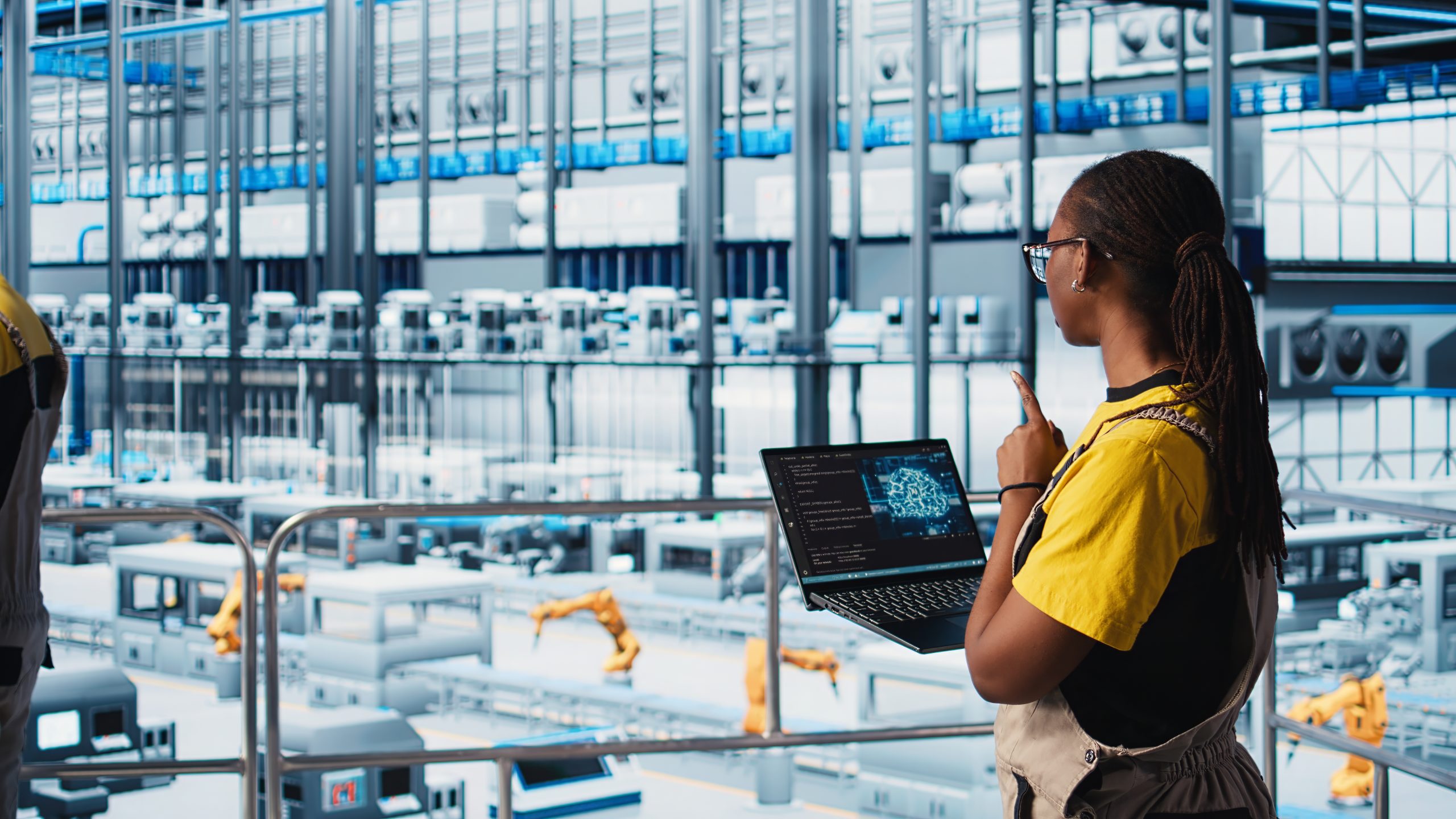
However, despite the benefits, the process of Industrial IoT Integration is not without its challenges.
Cybersecurity is one of the biggest concerns. The more industrial assets that are connected to the network, the greater the risk of cyber attacks. This is where secure authentication, encryption, and network segmentation are necessary.
Another challenge is interoperability. Most industrial facilities have legacy equipment that does not have the latest communication standards. This makes integration difficult, as it may involve protocol converters or system upgrades.
Scalability can also become a complex process. As the number of connected devices grows, it becomes necessary to handle the amount of data and ensure that it is processed at a high speed. This requires strong infrastructure.
Moreover, there is a talent gap for organizations. It is necessary for engineers to have knowledge of both OT and IT systems to successfully integrate them.
Best Practices for Successful Industrial IoT Integration
For a successful integration of Industrial IoT, it is essential to have business goals in mind. Organizations need to determine if the purpose of integration is predictive maintenance, efficiency, or energy optimization. Performing a system audit is an effective way to determine the readiness of the infrastructure. It is essential to have security in mind from the very beginning to safeguard critical operational data. Scalability and modularity are key to ensuring flexibility as business requirements change. Performance monitoring and optimization are also critical, as integration is an ongoing process and not a one-time deployment.
Future Trends in Industrial IoT Integration
The future of Industrial IoT Integration is driven by fast-paced technological innovation. Artificial intelligence is becoming more complex, and this is making predictive and prescriptive analytics possible. The rollout of 5G networks is decreasing latency and enabling fast industrial communication. Digital twin solutions are giving companies the ability to model and optimize their physical assets virtually before making changes. Edge AI is emerging as a popular solution, and this is making intelligent decision-making possible at the device level. Sustainability projects are also impacting the way companies approach Industrial IoT Integration, and this is because systems are being developed to track carbon emissions and optimize energy use.
FAQ
- What is Industrial IoT Integration?
Industrial IoT Integration connects sensors, machines, and software platforms to collect and use real-time operational data. - Why is Industrial IoT Integration important?
It helps industries improve efficiency, reduce downtime, and make faster data-driven decisions. - Which industries use Industrial IoT Integration?
Manufacturing, energy, logistics, utilities, and infrastructure industries widely use Industrial IoT Integration. - How does Nexxora support Industrial IoT Integration?
Nexxora provides IoT integration services that connect devices, cloud platforms, and business systems for smarter operations. - Why choose Nexxora for IoT integration services?
Nexxora delivers secure, scalable, and efficient Industrial IoT Integration solutions tailored for modern industries.
Conclusion
The Integration of Industrial IoT helps in making unconnected sensors and machines intelligent and data-driven, which helps in predictive maintenance, real-time monitoring, and informed business decisions. For achieving the full potential of these solutions, it is always important to collaborate with a reliable technology partner. NexXora Technologies is a one-stop solution provider for complete IoT integration services that help in seamlessly integrating devices, cloud solutions, and business systems. Their experience in designing scalable architecture, secure connectivity, and analytics solutions helps in making businesses free from data silos and increasing operational efficiency.

No comment